

Unraveling the Mysteries of the European Travel Authorization System
Discover how the European Travel Authorization System affects your travel plans and what secrets could change the way you explore Europe!

Image courtesy of Vincent M.A. Janssen via Pexels
Table of Contents
- What is the European Entry/Exit System (EES)?
- Key Features of the EES
- Who is Affected by the EES?
- How Does the EES Work?
- Frequently Asked Questions (FAQs)
- The Benefits of the EES for Travelers and Security
- Conclusion
Traveling to Europe is an exciting adventure, offering breathtaking scenery, rich history, and vibrant cultures. But with new systems and regulations in place, preparing for your trip can feel a bit overwhelming. One of the most important updates for travelers is the European Entry/Exit System (EES). In this blog, we’ll walk you through what the EES is all about, how it works, and what you need to know to make your travel to the Schengen Area smooth and enjoyable.
What is the European Entry/Exit System (EES)?
The European Entry/Exit System (EES) is a revolutionary initiative designed to enhance border management within the Schengen Area. It tracks the movements of third-country nationals (that’s you if you’re from outside the EU!) entering and leaving Europe. By recording each traveler’s entry and exit data, alongside biometric information like fingerprints and facial images, the EES aims to improve security and facilitate legal migration.
Now, you might be wondering what all of this means for you as a traveler. Essentially, the EES system helps border control authorities efficiently manage the flow of individuals across borders, making travel safer and more streamlined. This means shorter waiting times at border checks and better overall security for everyone. A win-win, right?
Key Features of the EES
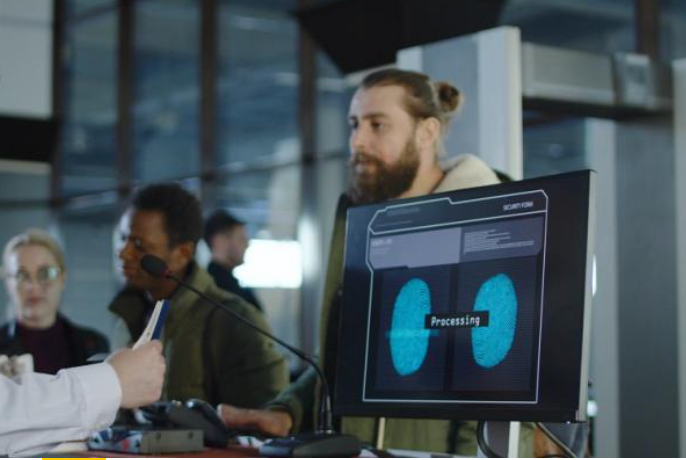
The EES isn’t just a mere tracking system; it comes packed with features designed to enhance your travel experience. One of the standout elements is its **biometric data collection**, which includes taking fingerprints and a facial image upon your entry into the Schengen Area. This biometric data helps ensure that the person entering is indeed who they claim to be, adding an extra layer of security.
In addition to the biometric data, the EES will automatically record important information regarding your **entry, exit, and refusal of entry**. If you enter the Schengen Area, your data will be logged, allowing authorities to monitor how long you’ve stayed. This is crucial in ensuring that travelers comply with the rules regarding maximum stay durations in the region. What’s more, this information is stored for a period of five years, but it’s provided with strict privacy measures to protect your personal data.
Who is Affected by the EES?
So, who does the EES apply to? If you’re a traveler from a non-EU country, the EES is definitely relevant for you. It’s important to note that travelers from EU member states don’t need to worry about this system—lucky them! This distinction means that if you’re packing your bags for a weekend trip to Paris from the USA or Canada, you’ll encounter the EES when you arrive in the Schengen Area.
But what if you’re part of a specific category, like diplomats? There’s good news! Individuals in certain exempt categories may not need to comply with the EES. This includes diplomatic passport holders and those on official government business. It’s always best to check the latest guidance or consult your local consulate to confirm your eligibility.
How Does the EES Work?
Understanding how the Entry/Exit System operates can demystify the travel experience significantly. When you arrive at the border, you will go through standard passport control, but now expect to see one additional step: biometric data collection. Upon presenting your passport, border agents will take your fingerprints and photo to verify your identity.
Once your identity is confirmed, your entry will be logged into the EES database. This process is seamless and designed to minimize delays. If you’re a frequent traveler, it’s not uncommon to breeze through this part, making your journey much more enjoyable!
If, for any reason, you face issues and cannot provide your fingerprints—perhaps due to a temporary skin condition or a recent injury—border control agents will assist you. They’re trained to handle these situations and will likely ask for alternative verification methods. Always remember that showing cooperation is key, and the officers are there to help.
Frequently Asked Questions (FAQs)
Travelers often have a lot of questions about new systems like the EES. Let’s dive into some of the most common queries:
What happens if my fingerprints cannot be taken? If for any reason your fingerprints can’t be captured, border control staff will provide assistance. They might use alternative identification methods, so remain calm and explain your situation to them.
Does the EES impact travelers with multiple entries? Yes, if you often travel to the Schengen Area, the EES will log each of your entries and exits. This means you’ll need to be mindful of your cumulative stay duration, as exceeding the allowed time can lead to complications.
What if there’s an issue at the border? If you encounter any problems, don’t hesitate to ask border agents for help. They are trained to guide you through any issues you might face, and it’s always better to seek assistance than to panic.
The Benefits of the EES for Travelers and Security
Now, let’s talk about why the EES is genuinely great news for travelers! One of the biggest advantages is improved border security. This system helps prevent illegal entry and reduces waiting times, so you can spend more time enjoying your trip instead of standing in lines. Who wouldn’t appreciate that?
Moreover, by keeping close tabs on who enters and exits, the EES aids in legal migration. It helps ensure that those who follow the rules can do so without unnecessary hassle. All these elements combined make for a more efficient, friendly travel experience—giving you peace of mind as you navigate new destinations.
Conclusion
Understanding the European Entry/Exit System is essential for anyone planning to travel to the Schengen Area. With its implementation, you can expect a more organized and secure travel process that benefits both authorities and visitors alike. Make sure to stay informed and prepared before your journey, and you’ll surely have an unforgettable experience exploring Europe!
We’d love to hear from you! Have you traveled to Europe since the EES was implemented? Share your experiences and any questions you might have in the comments section below. Safe travels!