


Discover the hidden complexities of Europe’s EES system: which countries are left out and what it means for travelers!
Table of Contents
- What is the EES?
- Who Does the EES Not Apply To?
- Practical Implications of EES Exemptions
- Challenges and Misunderstandings
- Final Thoughts
Traveling through Europe can be an exhilarating experience, rich in culture, history, and scenic beauty. However, navigating the various travel regulations can sometimes feel overwhelming. One significant regulation is the European Entry and Exit System (EES). If you’re planning your European adventure, it’s essential to understand who falls under this new system and, more importantly, who is exempt from it. Let’s dig into the who’s who of the EES exemptions!
What is the EES?
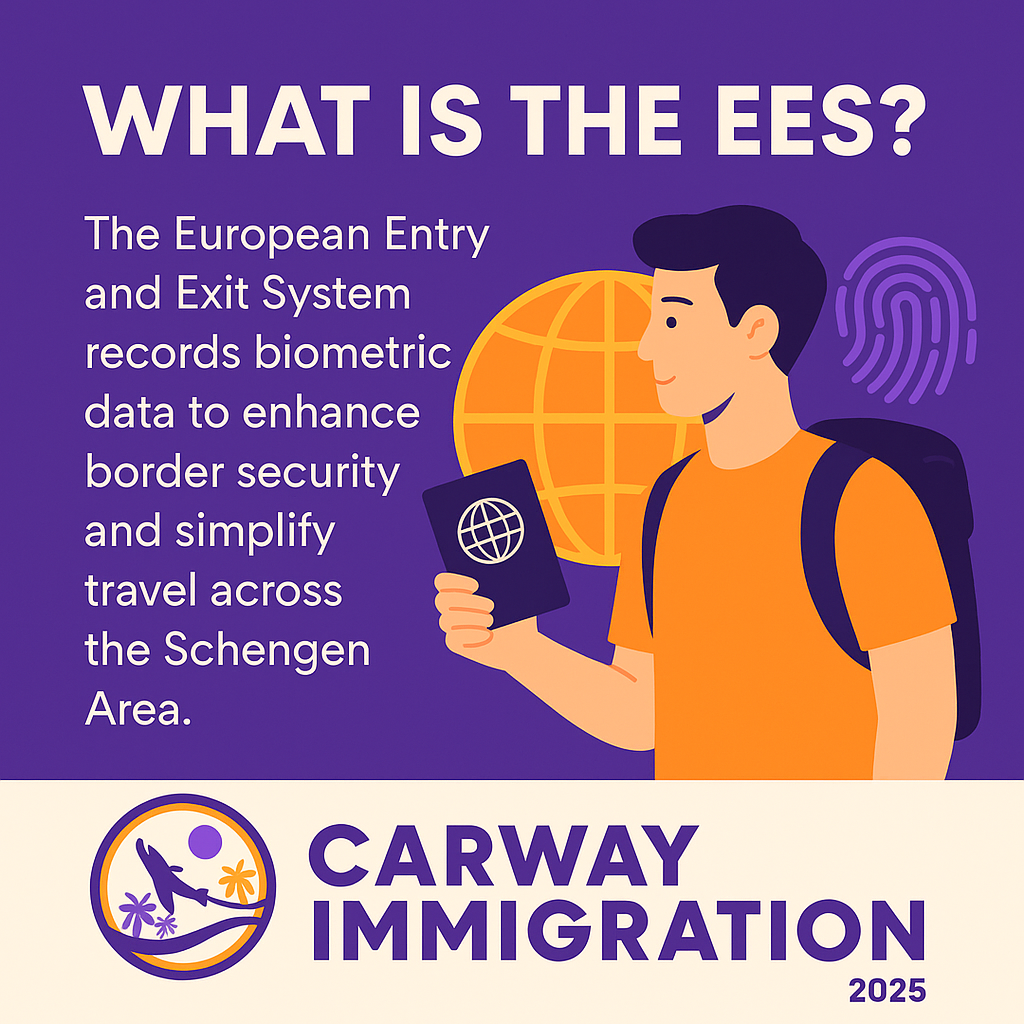
The European Entry and Exit System (EES) is a cutting-edge framework designed to streamline border management and enhance security across the Schengen Area. By collecting biometric data, like fingerprints and facial images, the EES helps ensure that only eligible individuals are granted entry, while also efficiently tracking those exiting the region. This technology represents a modern approach to border control, aiming to bolster safety without compromising the ease of travel that many have come to love in Europe.
So, why is the EES important? Apart from improving security, it aids in managing the influx of travelers more effectively. With millions of people crossing borders every year, an efficient system like the EES is crucial for maintaining order and ensuring that genuine tourists can enjoy their journeys without unnecessary hurdles.
Who Does the EES Not Apply To?
Understanding who doesn’t fall under the EES system can significantly enhance your travel experience. The EES does not apply to EU citizens traveling within the Schengen Area. This means if you’re from France and hopping over to Italy for a weekend getaway, you can do so without worrying about the EES! The same goes for citizens from countries that have established visa-free travel agreements with the EU. Countries like the United States, Canada, and Australia allow their citizens to enjoy short-term visits to the Schengen Area without the EES intrusiveness.
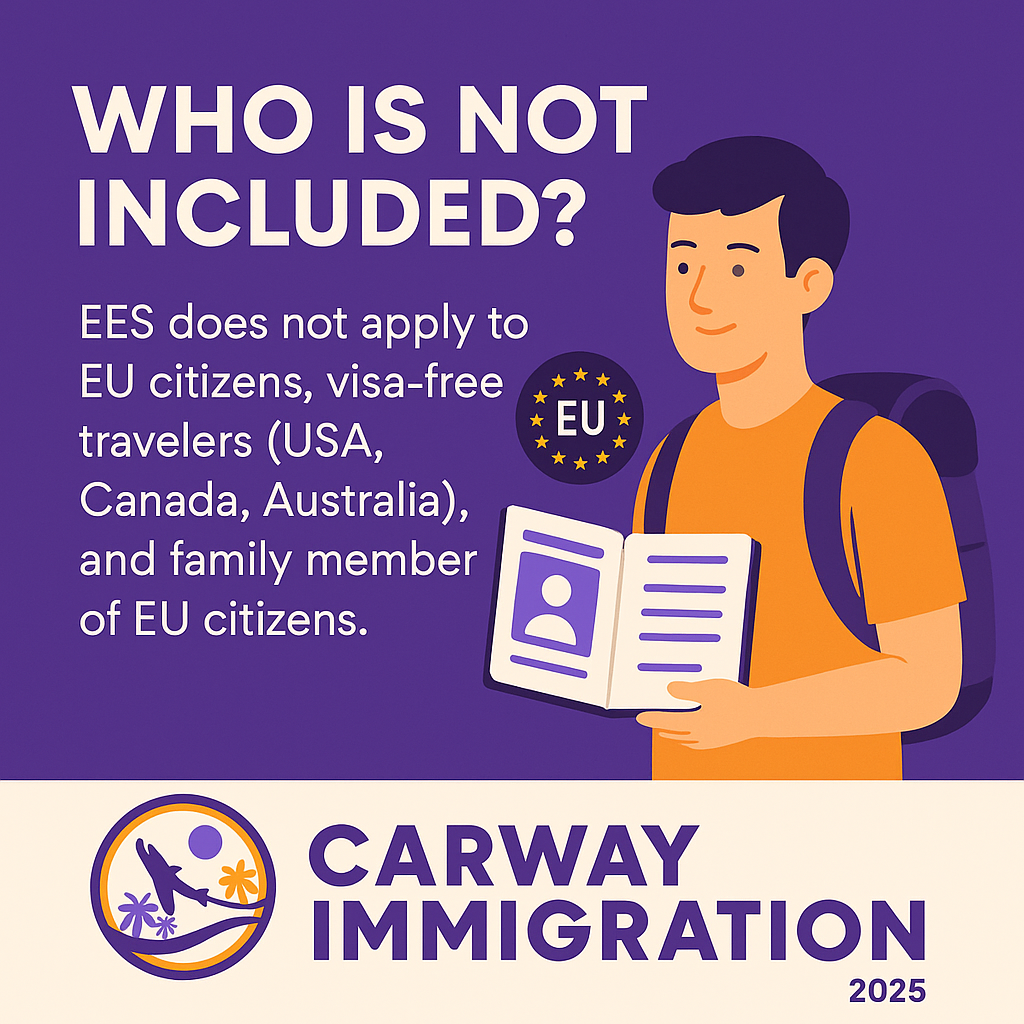
Additionally, certain categories of travelers, including those traveling with EU citizens, enjoy an exemption from the EES. This includes family members and individuals employed in capacities that have been officially recognized, making it easier for family members of EU citizens to traverse borders seamlessly.
Special Categories of People
In addition to the broad categories mentioned above, the EES also excludes some special groups from its regulations. For instance, asylum seekers, who are applying for international protection, are not subject to the EES while their applications are being processed. It’s essential to understand this exemption as it underscores the EU’s commitment to protecting those in need.
Diplomatic personnel also have a pass when it comes to the EES. Diplomats, officials, and family members of those holding diplomatic status can travel freely across borders without the biometric checks that other travelers face. This exemption reinforces the diplomatic relations and protocols upheld within Europe.
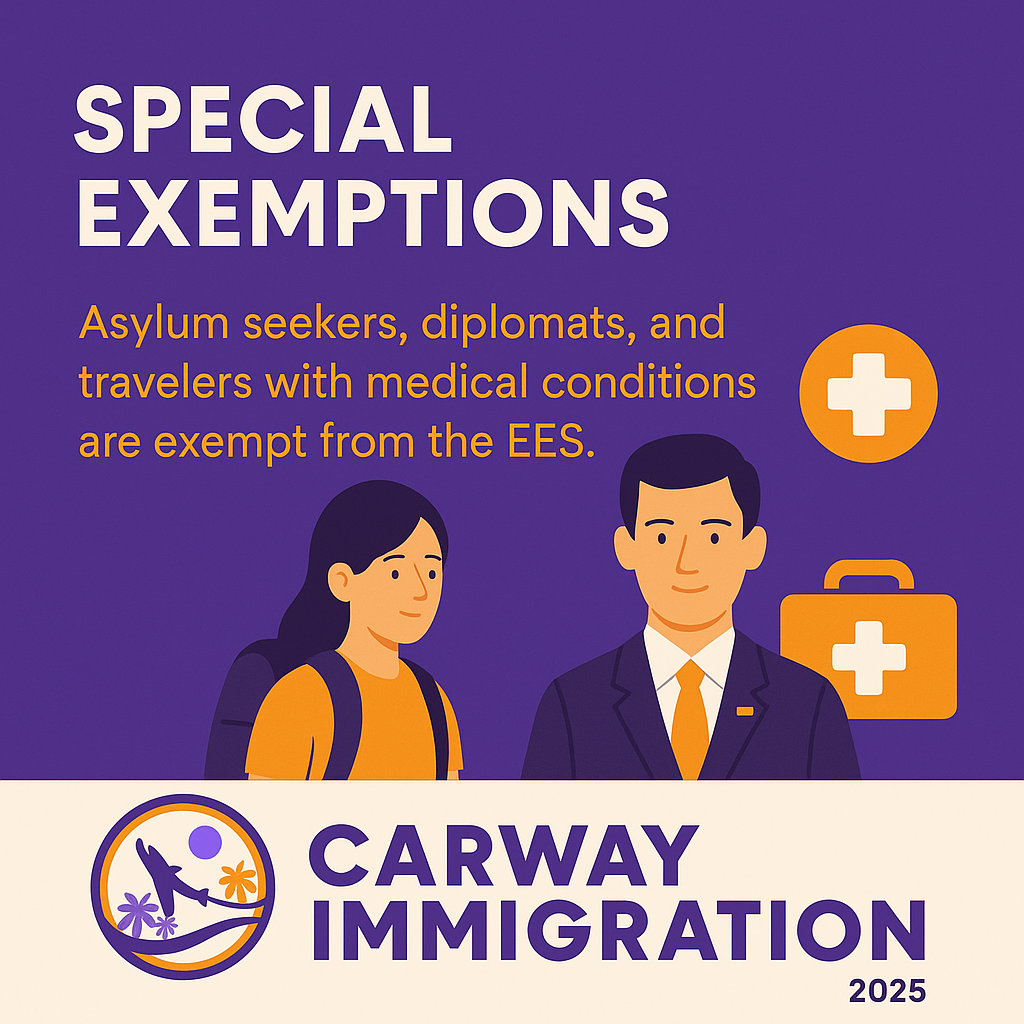
Lastly, some individuals with specific medical conditions or disabilities may be exempt from the EES. This ensures that vulnerable travelers are not burdened by additional regulations that could complicate their journey through an already challenging situation.
Travel opens doors to understanding, but true inclusion means ensuring no one is left behind in the journey. Discover the voices often unheard in the EES system and learn to advocate for change.
Practical Implications of EES Exemptions
So, what does it mean for you as a traveler if you fall into one of these exempt categories? In short, you can breathe a little easier! EES exemptions are designed to streamline your travel experience, allowing you to cross borders without the slowdowns that come with biometric data checks. Expect fewer checks and less time at the border, translating to more time enjoying the sights, sounds, and tastes of your chosen destinations!
The benefits of these exemptions extend not just to individuals but also the overall tourism landscape across Europe. By allowing seamless travel for certain groups, Europe fosters better relations between countries and encourages tourism, contributing to economic growth and cultural exchange.
Challenges and Misunderstandings
Despite the clear exemptions, misunderstandings can arise. One common misconception is that travelers assume all nationalities are subject to the same regulations, leading to confusion at borders. It’s vital for travelers to do a bit of homework before embarking on their journeys. Knowing your exemption status can save you time and stress at the borders.
If you’re unsure about your eligibility, always check with official resources before you travel. Being well-informed can help avoid any potential fines or delays, ensuring that you can focus on what matters most: enjoying your trip!
Final Thoughts
In conclusion, while the European Entry and Exit System is an important leap towards enhancing travel security and efficiency, it’s equally essential to be aware of who is exempt from it. EU citizens, individuals from visa-exempt countries, asylum seekers, and diplomatic personnel can navigate across borders with ease, free from the restrictions of the EES.
Before you pack your bags for that European escapade, ensure you know your travel rights and any exemptions that apply to you. Sharing your travel experiences or asking questions about EES can also contribute to a growing community of informed travelers eager to explore this beautiful continent.