Discover how bilateral social security agreements can simplify your digital nomad journey in Spain. Uncover essential tips for seamless living!
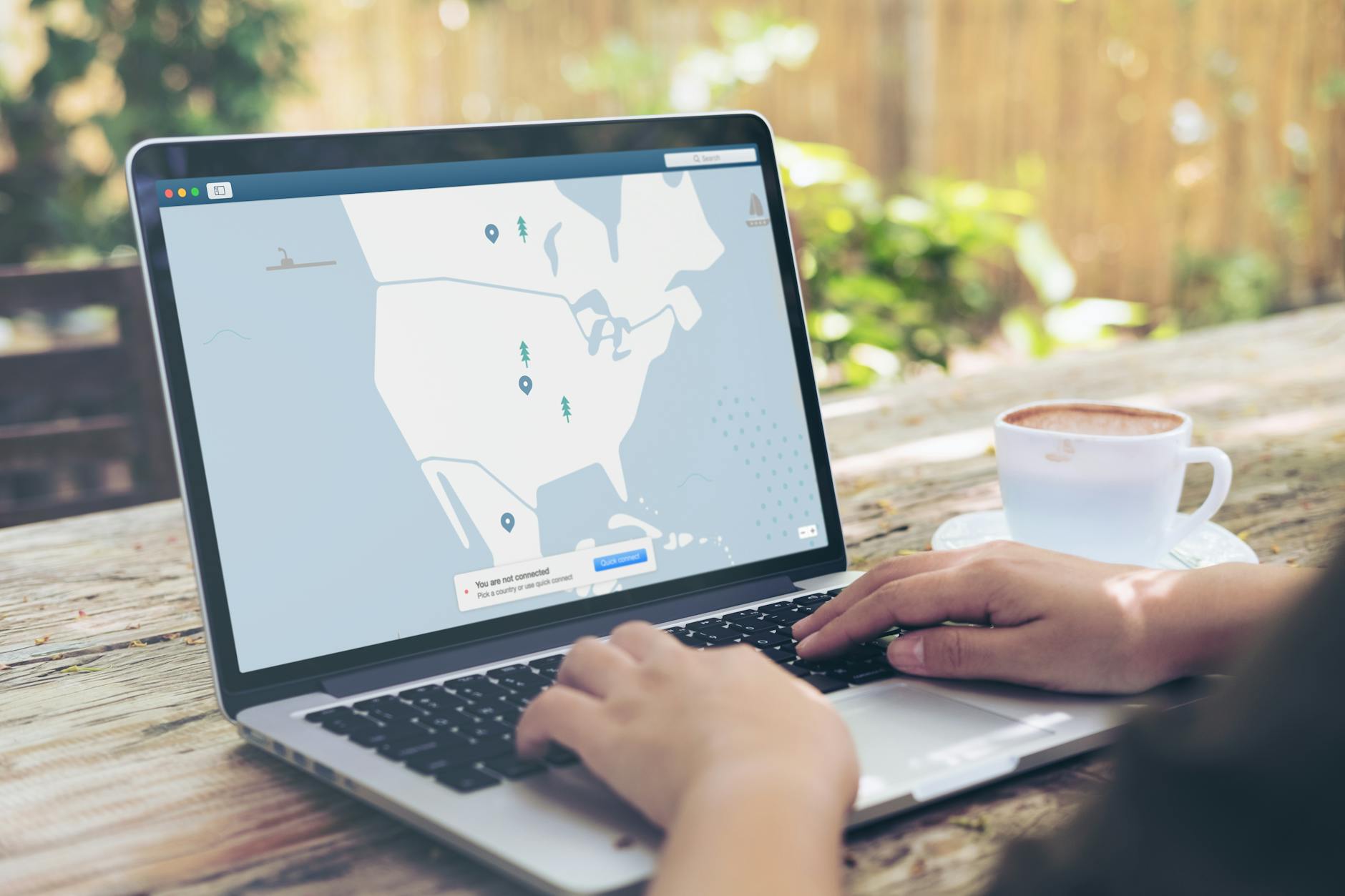
Image courtesy of Kevin Paster via Pexels
Table of Contents
- What is Bilateral Social Security?
- Criteria for Freelancers as Digital Nomads in Spain
- Can Freelancers Access Bilateral Social Security in Spain?
- Navigating Social Security Regulations
- Potential Challenges and Solutions
- Conclusion
The rise of digital nomadism has transformed how we think about work, giving freelancers the chance to blend their careers with travel. Spain, with its vibrant culture, stunning landscapes, and welcoming atmosphere, has become a hotspot for digital nomads seeking a balance between work and play. However, while the allure of sun-soaked shores and tapas bars is enticing, it’s crucial for freelancers to understand the intricacies of social security during their stay in Spain—particularly the scope and application of bilateral social security agreements.
What is Bilateral Social Security?
Bilateral social security agreements are international treaties between two countries that establish the eligibility of individuals to receive social security benefits while working abroad. These agreements are designed to protect workers and ensure that they don’t lose out on their social security rights when they relocate or travel for work. Essentially, they help freelancers and digital nomads navigate the complexities of social security contributions and benefits across borders.
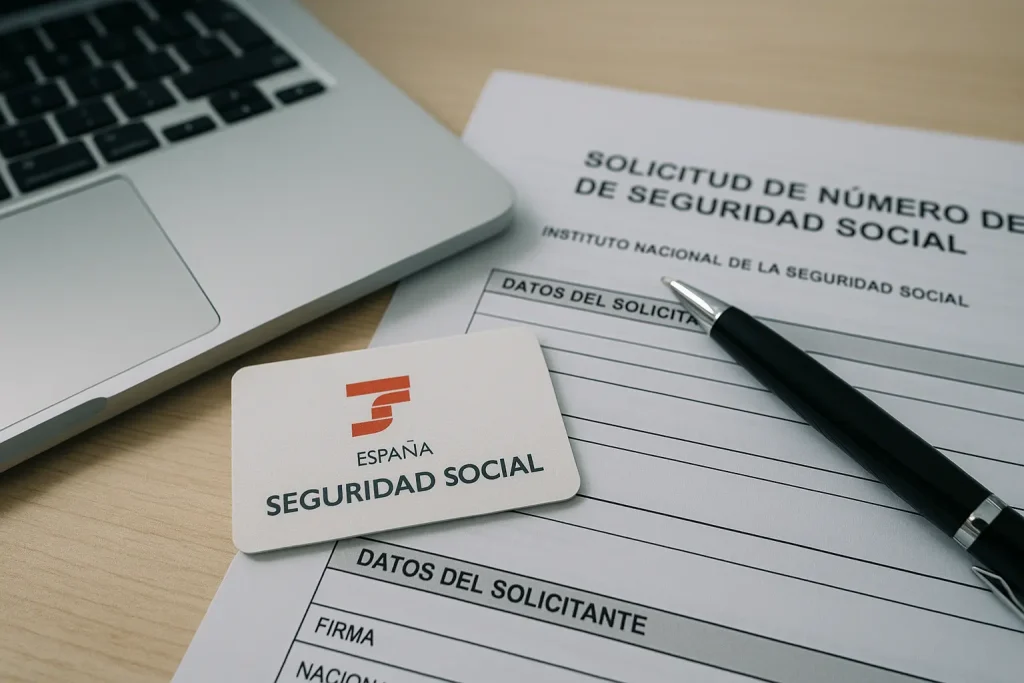
Spain has established bilateral agreements with several countries, which allows individuals from those nations to maintain their social security status while residing and working in Spain. Through such agreements, freelancers can often avoid double contributions to social security systems, which can otherwise be a significant financial burden. Understanding these agreements is crucial for freelancers looking to make the most of their time—and work—abroad.
Criteria for Freelancers as Digital Nomads in Spain
Before diving into how bilateral social security agreements work, it’s essential to clarify who qualifies as a freelancer and a digital nomad. Freelancers are typically self-employed individuals who work independently, usually on a project or contract basis. Digital nomads take this a step further by combining work with travel, often moving from one country to another while continuing their business remotely.
Several factors determine eligibility for social security benefits while working as a freelancer in Spain. The duration of your stay in Spain plays a significant role; for instance, individuals staying for short periods might not have the same rights as those who intend to reside long-term. The nature of your freelance work is also crucial—some professions might be recognized for social security contributions more readily than others. Additionally, it’s vital to check your home country’s regulations regarding freelancing. If you’re traveling from a country with a similar agreement with Spain, you may have an easier time accessing social security benefits.
Embrace the freedom of being a digital nomad in Spain; navigating bilateral social security agreements isn’t just about security, it’s about unlocking a life of adventure and connection. Learn how to thrive while living your dream.
Can Freelancers Access Bilateral Social Security in Spain?
So, can freelancers really tap into bilateral social security when living in Spain? The short answer is: it depends! Each bilateral agreement has specific eligibility requirements that freelancers must meet. For example, if you’re from a country that has an agreement with Spain, like Germany or France, you may be able to continue to benefit from your home country’s social security system while working in Spain.
It’s important for the lawyer in charge to do research and understand specific agreements that can impact your eligibility status. For example, if your home country provides coverage for self-employed individuals under its bilateral agreement with Spain, you might find that you’re eligible for benefits like retirement pensions or healthcare coverage while residing in Spain. On the other hand, if you come from a country without such an agreement, you may need to explore alternative options, such as registering with the Spanish social security system.
Navigating Social Security Regulations
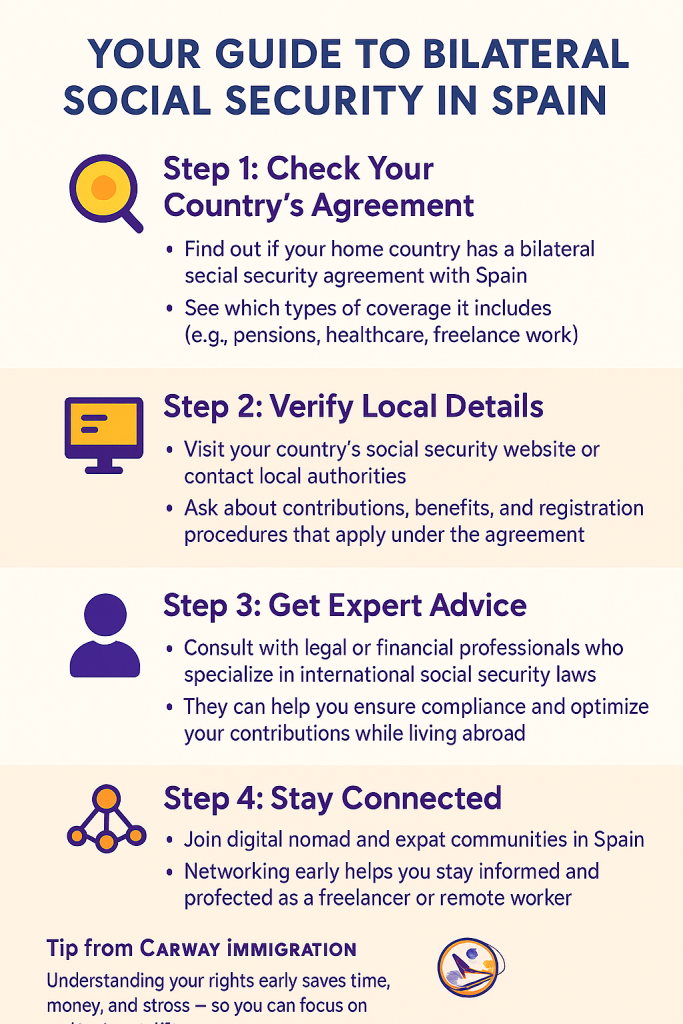
Navigating through social security regulations can seem daunting, but it doesn’t have to be! Here’s a straightforward guide to checking your eligibility for bilateral social security in Spain. First, start by determining if your home country has a bilateral agreement with Spain and what types of social security coverage it includes for freelancers.
Next, check the local social security website or contact local authorities for detailed information about contributions and benefits that specific agreements provide. Many freelancers also find it helpful to consult with legal or financial experts who specialize in international social security laws and can guide them on registration requirements and contributions in Spain. Establishing the right connections early on can make a world of difference in ensuring you’re covered while living the digital nomad lifestyle.
Potential Challenges and Solutions
While the promise of living and working in Spain may be exciting, freelancers often encounter challenges when trying to navigate the complexities of social security laws. Common roadblocks include uncertainty about the eligibility for benefits or difficulties in proving their self-employment status. For instance, some freelancers may find their professions aren’t recognized under certain agreements, leaving them with limited access to necessary coverage.
To overcome these challenges, it’s essential to arm yourself with knowledge and resources and a proper legal guidance. Reach out to others in the freelancer community—there’s power in numbers! Online forums and social media groups can be invaluable for sharing experiences and finding solutions to common issues. Additionally, consider keeping thorough records of your freelance work and contracts, which can help substantiate your claims regarding self-employment status if questioned. The more organized you are, the easier it will be to navigate any bureaucratic hurdles that may arise.
Conclusion
As appealing as the idea of becoming a digital nomad in Spain may be, it’s essential for freelancers to understand the implications of bilateral social security agreements. Being informed about these agreements helps ensure that you won’t lose out on crucial social security benefits while enjoying the beautiful beaches and vibrant culture of Spain. Always remember to research your home country’s agreements with Spain and reach out to local experts when needed; doing so can save you time and provide peace of mind.
Have you had experiences with social security as a freelancer in Spain? Have questions or insights? We’d love to hear about your journey! Sharing this article with fellow freelancers can help them navigate their own social security questions as they embark on this exciting adventure.
Also feel free to book your consultation with us, and start your digital nomad residency process in Spain!