

Discover the surprising changes coming to Spain’s Non-Lucrative Visa Program in 2026—what you need to know before it’s too late!

Image courtesy of Ekaterina Belinskaya via Pexels
Table of Contents
- Understanding the Non-Lucrative Visa
- Anticipated Changes in 2025
- Consequences of the Changes
- Preparing for the Transition
- Common mistakes and reasons for rejection
- Expert Insights and Resources
- Conclusion
Changes to Spains Non-Lucrative Visa: what to expect in 2026
For many people dreaming of living in the beautiful landscapes of Spain, the non-lucrative visa has been a popular choice. The Spain non lucrative visa is designed for individuals who wish to reside in Spain long-term without engaging in any work or professional activities, making it especially appealing to retirees and those with passive income. It offers a wonderful opportunity to reside in this vibrant nation, with the Spain non lucrative route providing a pathway to long-term residence for those not seeking employment. However, if you’re currently holding one of these visas or thinking about applying, you will want to pay close attention to some important changes coming in 2025.
Understanding the Non-Lucrative Visa
So, what exactly is a non-lucrative visa? Simply put, it’s a type of residence visa that allows non-EU nationals to live in Spain without engaging in any work activities. This visa is particularly appealing for retirees or individuals with sufficient financial means to support themselves while enjoying the rich culture, exquisite cuisine, and stunning scenery that Spain has to offer. If you’re thinking about this option, one of the best parts is that it provides a pathway for a long-term stay in one of Europe’s most inviting countries.
To apply for a non-lucrative visa, there are a few key things you need to know.
First, the most crucial requirement is proof of financial stability. Currently, applicants must demonstrate they have sufficient income to support themselves and any family members accompanying them, without relying on employment in Spain. The main applicant must meet the primary financial requirements, and the threshold increases for each additional family member included in the application. Applicants must demonstrate sufficient economic means and sufficient and guaranteed means to support themselves, and financial resources must be clearly documented. This typically means showing proof of income, bank statements, or savings.
You’ll also need to provide documentation such as a health insurance policy that covers you in Spain, a clean criminal background check, and medical certificates confirming that you don’t have any diseases that may pose a public health risk. Foreign documents, such as criminal record certificates and other official paperwork from your home country, must be properly legalized and translated. The process can take some time, so it’s advisable to start gathering your documents early to avoid any last-minute hurdles. Each applicant must also complete an application form as part of the process.
Anticipated Changes in 2025 that will rule all 2026
Now, let’s delve into the changes expected in 2026. The Spanish government has announced that it plans to overhaul the non-lucrative visa process, aiming to streamline and update various elements of the application procedure. Spanish authorities will be updating the requirements for the initial visa and the initial period of residence, including new standards for documentation and compliance. While specific details are still emerging, we can anticipate shifts in eligibility criteria and the types of documentation required for applicants. For instance, there may be changes regarding financial thresholds, potentially requiring a higher minimum income to qualify for the visa. This could affect future applicants who might be on a tight budget but still have dreams of living abroad.
When applying, visa approval by Spanish authorities is required before applicants can obtain a residence permit or residency permit, which grants legal residence in Spain. The initial visa is typically granted for a one-year initial period, during which applicants must maintain adequate private health insurance and meet all requirements to ensure eligibility for renewal and continued legal residence.
Government sources have indicated that they are prioritizing a more secure and efficient system that can differentiate between applicants more effectively, perhaps placing additional scrutiny on financial sources to ensure they are legitimate and sustainable. While these changes might sound daunting, they may also enhance the reputation of the program by creating stricter standards. Unlike the golden visa program—which required significant real estate investment and was aimed at wealthy investors—the non lucrative residence is a different pathway that does not require large investments, making it more accessible for individuals relying on passive income or savings.
Embrace the uncertainty of change, for in every challenge lies an opportunity to redefine your path. Dive into the new possibilities with Spain’s updated non-lucrative visa program in 2026.
Consequences of the Changes
As with any immigration policy adjustments, the upcoming changes are bound to have significant implications for both current visa holders and future applicants. If you’re already living in Spain on a non-lucrative visa, it’s essential to stay informed about how these changes might affect your visa renewal process. Maintaining legal residency and continuing to legally reside in Spain is crucial, as it directly impacts your eligibility for long term residency, permanent residency, and permanent residence after several years of continuous stay.
Transition periods may be introduced to allow current visa holders to comply with any new requirements, but staying ahead by consulting with legal experts can ensure you navigate this smoothly. For many expatriates, the anxiety of visa changes adds an extra layer of complexity to their lives, but being proactive can help minimize stress.
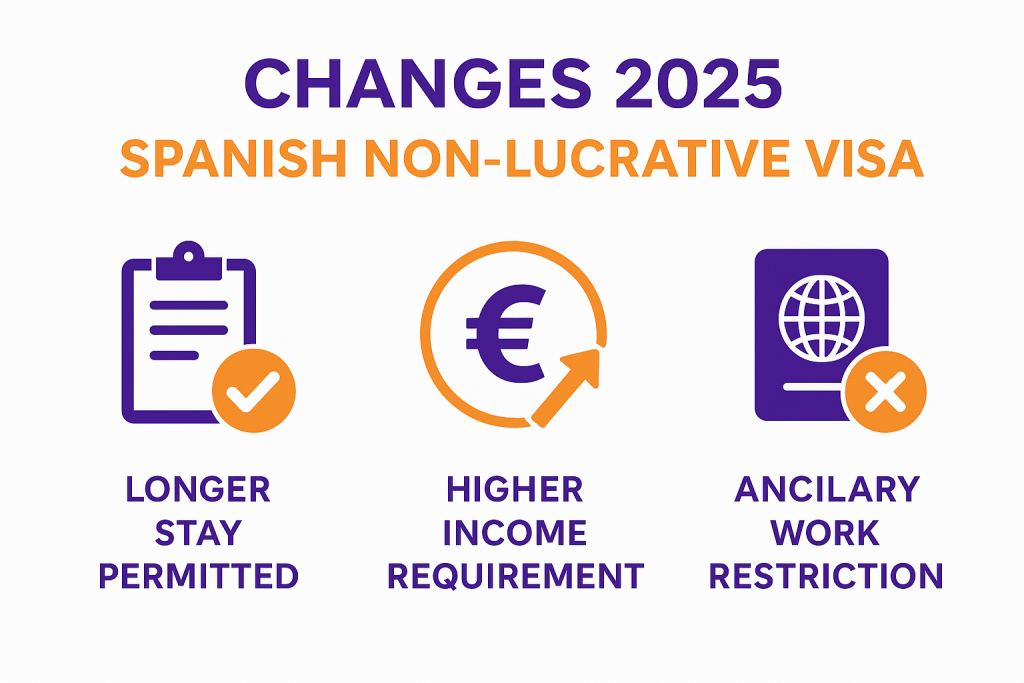
For those considering applying for a non-lucrative visa, it’s wise to start preparing now. Given potential increases in the financial requirements, you may want to assess your financial situation and explore ways to bolster savings if you haven’t done so already. Research is your best friend here; understanding the new landscape can prevent surprises down the road. Now is the perfect time to create an application strategy that accounts for these changes.
Preparing for the Transition
With the clock ticking, how can you best prepare for these upcoming shifts? For current non-lucrative visa holders, reviewing your documentation is crucial. Make sure your financial proofs, such as bank statements or investment letters, are in order. Consider reaching out to immigration consultants who specialize in Spanish visas, as they can provide tailored advice and keep you informed about changes that directly affect your situation. You should also contact the relevant consular office to confirm the latest requirements and procedures for your visa application. Many expats find that connecting with fellow residents through online forums or social media groups can also offer valuable insights and support.
If you’re a prospective applicant, put together a thorough checklist and perhaps consult with a legal expert. They can help ensure that you’re gathering the correct documentation based on current requirements and anticipated changes. After your visa approval, you must enter Spain within the specified timeframe and register your address at the local town hall (empadronamiento) as part of the legal residency process. Upon arrival, you are required to visit the immigration office or police station to apply for your Foreigner Identity Card, which is essential for legal residence and necessary for many official procedures during your stay. It can feel overwhelming, but taking things step by step can make the process manageable. And remember, patience often pays off when dealing with immigration matters!
Common Mistakes and Reasons for Rejection
Applying for Spain’s Non-Lucrative Visa (NLV) can be a rewarding step toward living in Spain, but the process is detailed and even small mistakes can lead to rejection. Understanding the most common pitfalls can help you avoid unnecessary setbacks and increase your chances of a successful application.
One of the most frequent reasons for rejection is submitting insufficient or inconsistent financial documentation. The Spanish consulate requires clear proof of sufficient passive income—such as bank statements, investment income, or rental income—to demonstrate that you and any family members can support yourselves without working in Spain. If your financial documents are unclear, incomplete, or do not show a stable income, the consulate may request additional documents or deny your application outright.
Another common error involves private health insurance. The non lucrative visa requires applicants to have private health insurance with full coverage in Spain, without co-payments or exclusions. Submitting a policy that does not meet these strict requirements is a common reason for rejection. Always double-check that your health insurance policy is accepted by the Spanish consulate and provides the necessary coverage for the entire duration of your stay.
Official documents are another area where mistakes often occur. Failing to provide a clean criminal record certificate or a medical certificate that meets international health regulations can result in immediate rejection. These documents must be recent, officially issued, and translated into Spanish by a sworn translator. The criminal record certificate should cover all countries where you have lived in the past five years, and the medical certificate must clearly state that you do not suffer from any diseases that could pose a public health risk.
Administrative errors can also derail your application. Incomplete or incorrectly filled application forms, missing apostilles or translations, and failure to pay the visa fee are all common mistakes. Additionally, you must provide proof of accommodation in Spain, such as a rental contract or property deed, and ensure all required documents are included according to the Spanish consulate’s checklist.
Given the complexity of the non lucrative visa application process, seeking professional legal assistance can make a significant difference. An experienced immigration lawyer can help you prepare the required documents, ensure your private health insurance meets all criteria, and guide you through the process to avoid costly errors. By being thorough and proactive, you can minimize the risk of rejection and move one step closer to enjoying life in Spain with your non lucrative visa NLV.
Expert Insights and Resources
To give you a clearer picture of what’s ahead, we’ve gathered insights from Goverment advisors who specialize in Spain’s visa process. Their guidance emphasizes the importance of understanding your rights and responsibilities as a visa applicant. They also highlight the need for tax planning and understanding tax residency rules, including the criteria for becoming a tax resident (such as the 183-day rule) and the obligation to pay Spanish taxes on your worldwide income. Access to Spanish public services, such as healthcare and education, is a key benefit for residents.
Experts note that the non-lucrative visa is intended for those who do not plan to work in Spain, while the digital nomad visa is designed for remote workers and freelancers who wish to live in Spain while working for foreign employers or clients. For those seeking a long-term future in Spain, meeting the residency requirements can eventually lead to eligibility for Spanish citizenship.
They recommend staying well-connected, utilizing official government resources.
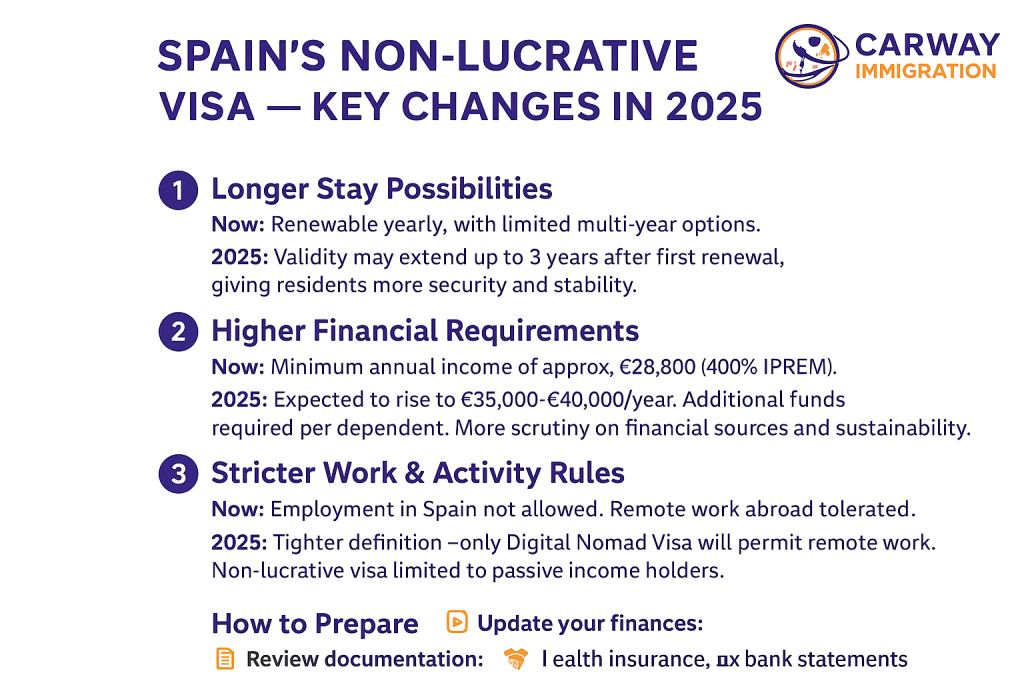
Here is a Scheme with significant changes we have confirmed with the official authorities and Consulates this 2026.
Conclusion
As we approach 2026, it’s more important than ever to keep an eye on how changes to Spain’s non-lucrative visa could impact your plans. Whether you’re a current holder or a prospective applicant, being informed and prepared is key. These upcoming changes might seem intimidating, but they also present an opportunity to ensure the visa process is more secure and streamlined in the future.
Stay proactive, engage with communities, and lean on experts when needed. The sun-soaked streets of Spain are calling—are you ready to answer?
For more updates, consider subscribing to immigration news sources and don’t hesitate to share your thoughts and experiences in the comments below. Let’s navigate this journey together! Book your call now