
Key Takeaways
- Spain offers a high quality of life with an affordable cost of living compared to other Western European countries, but local salaries are lower and Spanish bureaucracy can be frustrating.
- Spain’s healthcare system ranks among the best globally, with excellent care at reasonable costs through both public and private healthcare options.
- The Mediterranean climate, Spanish food, and rich culture are major draws, but housing markets in Madrid, Barcelona, and the Costa del Sol have become increasingly competitive.
- Spanish (and sometimes regional languages like Catalan or Basque) is practically essential outside tourist destinations, and the job market remains challenging with unemployment still higher than the EU average in 2026.
- Spain works best for retirees, digital nomads with foreign income, and lifestyle-focused expats who can embrace a more relaxed lifestyle and adapt to slower administrative processes.
Introduction: Why Spain Tops So Many “Best Places to Live” Lists
Wondering about the pros and cons of Spain? Spain continues to captivate people from around the world in 2026, and for good reason. With over 300 days of sunshine in many regions, a delicious cuisine that revolves around fresh local ingredients, and a cost of living that remains 25-40% lower than major cities in the UK, Germany, France, or the US, it’s no surprise that Spain offers what many consider an enviable quality of life.
This guide is for anyone considering a move to Spain—retirees, digital nomads, families, and professionals alike. Knowing both the advantages and challenges of life in Spain will help you make an informed decision about relocating.
Post-COVID tourism recovery has seen visitor numbers rebound to over 80 million annually, surpassing pre-pandemic peaks. But there’s a crucial difference between spending two weeks enjoying Spanish culture on vacation and actually building everyday life as a Spanish resident.
This guide breaks down the concrete realities of living in Spain long term. You’ll find honest assessments of cost of living, Spain’s healthcare system, work opportunities, visa pathways, climate variations, and the infamous paperwork that comes with setting up in a new country. Whether you’re a digital nomad considering the Spanish Digital Nomad Visa, a retiree eyeing sun-drenched beaches, or a family weighing school options, this breakdown of the pros and cons of Spain will help you decide if it’s the right fit for you.
Cost of Living in Spain
General Overview
The cost of living in Spain is among the lowest in Western Europe, with only Portugal being slightly more affordable, making it an attractive option for expats. Spain remains cheaper than most Western countries and North America, but costs vary dramatically depending on where you settle. The difference between living in Barcelona’s city center versus a mid-sized inland city can mean hundreds of euros monthly.
Regional Cost Differences
Typical monthly budgets for a single person in cities like Valencia or Seville sit around €1,200-€1,600 in 2026, excluding luxuries. Couples might budget €2,000-€2,800, while families need €3,000-€4,500 depending on location and family size. These figures are substantially lower than equivalent lifestyles in London, Paris, or most American cities.
Regional cities tell the real story. A one-bedroom apartment in Zaragoza or Murcia runs €500-800 monthly, compared to €1,200-2,000 in Barcelona’s Eixample district. Families benefit from free public schooling from age 3, subsidized childcare, and discounted transport for children and students.
For those willing to look beyond the obvious tourist destinations, Spain delivers genuine low-cost living without sacrificing quality.
Affordable Essentials
The affordable cost of daily essentials is where Spain truly shines:
| Item | Typical Cost (2026) |
|---|---|
| Weekly grocery basket (single person) | €30-50 |
| Menú del día lunch | €10-15 |
| Monthly public transport (Madrid) | €54.60 |
| Local beer at a bar | €2-3 |
| Coffee | €1.20-2 |
Local markets offer seasonal fruits and vegetables at prices that surprise newcomers from Northern Europe. Shopping at traditional markets rather than supermarkets can stretch your budget even further, helping you save money while eating better.
Rising Costs in Major Cities
However, Spain’s cost advantages come with notable exceptions. Electricity prices rank among the EU’s highest, major cities have seen steep rent increases, and imported goods cost more than many expats expect.
Electricity prices in Spain hover around €0.25-0.30 per kWh in 2026, making summer air-conditioning and winter heating expensive propositions. Summer bills in Seville can exceed €150-300 for air-conditioned apartments, while winter gas heating in colder Castilla y León adds €100-200 monthly.
The Spanish property market in prime locations has seen dramatic increases:
- Madrid and Barcelona central one-beds: €1,200-2,000/month (up 8-12% year-over-year in 2025)
- Post-2019 demand from remote workers and tourists drove 50-70% increases in popular neighborhoods
- Palma de Mallorca, Valencia city center, and key Costa del Sol areas face similar pressures
Imported electronics cost 10-20% more than in the US, and international food products carry premiums. American expat favorites like certain cereals or sauces push savvy residents toward local alternatives.
Living cheaply in Spain often means choosing mid-sized cities or inland towns rather than fashionable coastal hotspots.
Beyond daily expenses, another major consideration for expats is access to healthcare.
Pros and Cons of Spain: Healthcare in Spain
Quality and Accessibility
Spain’s healthcare reputation is well-earned. Spain’s National Health System (Sistema Nacional de Salud or SNS) provides free or low-cost healthcare services to all residents and citizens, funded through taxes. The Spanish national health system consistently ranks in the global top 10, and life expectancy hovers around 83-84 years—among the highest worldwide.
Public vs. Private Options
Residents and workers access care via social security contributions (around 6.35-6.4% employee share plus employer portions). The Spanish public healthcare system covers GP visits, hospital care, and subsidized prescriptions with co-pays of 10-60% based on income.
Private healthcare is widely used by expats and middle-class Spaniards because it’s relatively cheap and shortens waiting times significantly. Major cities boast world-class facilities with English-speaking doctors and modern technology.
Costs and Coverage
Employed residents access most public healthcare services with minimal co-payments after paying into social security. For those who prefer faster access, private health insurance costs are remarkably reasonable:
| Age Group | Monthly Private Insurance |
|---|---|
| Under 35 | €50-70 |
| 35-60 | €70-100 |
| Over 60 (no pre-existing cond.) | €100-150 |
Compare this to US equivalents, which often run 70-80% higher for similar coverage.
Consider a practical example: a routine appendectomy costs €3,000-5,000 through private insurance in Spain versus tens of thousands in the US. For families and retirees, this mix of public and private options is a major reason people relocate from the US, UK, and other European countries.
Major hospitals like Madrid’s Hospital Universitario La Paz or Barcelona’s Hospital Clínic are staffed with English-speakers and equipped with cutting-edge technology, delivering excellent outcomes for chronic conditions and emergencies.
Drawbacks and Practicalities
Non-urgent specialist appointments in the public system can take weeks or months. Madrid averages 30-60 days, while rural Andalusia or Galicia may stretch to 120+ days. Emergency rooms in big cities involve lengthy waits for non-critical cases.
Registering for healthcare as a new resident involves multiple steps:
- Obtain an NIE (foreigner ID number)
- Register with social security (Tarjeta Sanitaria)
- Sign up at a local health center
- Wait 2-4 weeks for processing, often requiring in-person visits
Rural areas have fewer English-speaking doctors, which adds stress for newcomers still learning to speak Spanish. The language barrier in healthcare settings is real outside major cities.
Budget for private insurance at least during your first few years to bridge gaps and avoid delays.
While healthcare is a major advantage, employment opportunities present a different set of challenges for newcomers.
Work, Salaries and the Spanish Job Market
Overview and Unemployment Context
Pros and Cons of Spain: job market remains one of the main cons for many expats. Spain’s unemployment rate was above 12.6% in 2023, making it challenging for both locals and expats to find jobs. In mid-2026, unemployment hovers around 11.5-12.5%—roughly double the EU average of 6%. Local wages lag behind Northern Europe significantly.
Here’s the contrast that defines expat life in Spain: it can be a financial paradise for remote workers or retirees with foreign income, but a genuine challenge for those depending on local salaries.
High Unemployment and Tough Job Prospects
Spain’s structural employment issues persist from the 2008 financial crisis. Key challenges include:
- Youth unemployment often above 25-28%
- Over-reliance on tourism (13% of GDP), hospitality, and seasonal agriculture
- Precarious contracts and limited career progression
- Regional languages (Catalan, Basque, Galician) providing 20-30% hiring advantages in their respective regions
Tech hubs like Málaga’s “Andalusia Tech Coast” and Barcelona’s 22@ district host multinationals (Google, Amazon), but mid-career professionals without Spanish struggle outside remote roles.
Outside of in-demand fields like tech, engineering, or healthcare, the advice is clear: secure a remote job, strong savings, or a portable business before moving if you don’t speak Spanish fluently.
Salaries Are Low Relative to Western Standards
| Role | Net Monthly Salary |
|---|---|
| Entry-level office worker | €1,200-1,500 |
| Teacher | €1,800-2,200 |
| Mid-level engineer | €2,000-2,500 |
| Barcelona software developer | €2,800 |
| Berlin software developer | €4,500 |
Rising rents eat into these salaries, making it harder for locals and younger expats to save money or buy property. Overtime without equivalent pay is common in small companies.
This low-wage environment matters less for retirees or digital nomads paid in stronger currencies. Spain is “cheap” mostly if your income isn’t tied to local wages.
Freelancing and Remote Work Opportunities
Spain’s growing community of remote workers thrives in Valencia, Málaga, Madrid, Barcelona, and the Canary Islands. Co-working spaces, startup hubs, and expat community networks make professional life easier than a decade ago.
However, becoming “autónomo” (self-employed) involves:
- Fixed monthly social security fee: €301 minimum in 2026 (reduced to €80 for first-year newbies)
- Quarterly VAT/IRPF tax filings
- Effective tax rates of 20-45% for incomes €20,000-50,000
The paperwork burden deters low-earning freelancers despite the lifestyle benefits. Those with established remote careers earning foreign income benefit most from Spanish life.
Next, let’s look at the visa, residency, and tax landscape for foreigners in Spain.
Visas, Residency and Taxes for Foreigners in Spain
Multiple Pathways to Live in Spain Long Term
Spain offers several attractive residency routes for non-EU citizens, though taxes and bureaucracy are key parts of the cons side. EU/EEA citizens enjoy seamless movement, while non-EU citizens typically rely on specific visa schemes.
Digital Nomad Visa (launched 2023): Requires proof of remote employment with foreign income of €2,646+ monthly (264% IPREM), health insurance, and no local work.
Non Lucrative Visa: Popular retirement visa route requiring €2,400 monthly passive income (€3,600 for couples). Holders cannot work locally but can live comfortably on pensions or investments. This route leads to a residence permit and eventual permanent residency.
Spain Golden Visa Program: While the Spain golden visa phased out property options in 2025, it retains €1M+ investment routes for those with higher budgets.
After 5 years of legal residency, many foreigners can apply for permanent residency. After longer periods (often 10 years), some may qualify for citizenship.
High Taxes, Complex Rules and Heavy Paperwork
Spanish tax rates are progressive, starting at 19% and climbing into the 40%+ range for higher earners. Regional tax rates vary—Madrid offers the lowest at 18.5-45%, while Andalusia adds 0.5-2.5%.
Tax considerations include:
- Income tax on worldwide income after 183 days of residency
- 21% VAT on purchases
- Wealth tax of 0.2-3.75% on assets over €700,000
- Inheritance tax that varies significantly by region
- Spanish sourced income taxed even for non-residents
The “Beckham Law” offers tax benefits for some foreign workers, capping taxes at 24% flat on the first €600,000 for six years. However, eligibility is limited and rules change periodically.
Spanish bureaucracy involves multiple in-person appointments, notarized documents, apostilles, and translations for visa applications and renewals. Empadronamiento (address registration), NIE/TIE renewals—each process tests patience.
Budget for legal or gestor (administrative specialist) support at €100-300 per task to navigate Spanish government procedures smoothly.
Now, let’s explore what daily life and culture are really like in Spain.
Culture, Lifestyle and Social Life in Spain
Defining Spanish Culture
Spain’s culture places a significant emphasis on family, cuisine, and leisure time, with lengthy meals and social gatherings being common practices. The laid-back lifestyle is Spain’s defining characteristic. Late meals, lively plazas, strong family ties, and a general preference for socializing over rushing—this is what draws people from other Western European countries seeking a different rhythm.
The Spanish lifestyle is characterized by a laid-back approach, where socializing and enjoying meals can take precedence over strict schedules, often leading to later dining hours.
Rich Culture, Food and a Strong Sense of Community
Tapas culture, long family lunches, and the central role of bars and plazas as social hubs define Spanish people’s approach to community. Spanish cuisine varies dramatically by region:
- Basque country: pintxos
- Andalusia: gazpacho
- Catalonia: seafood
- Over 280 DOP-protected food products
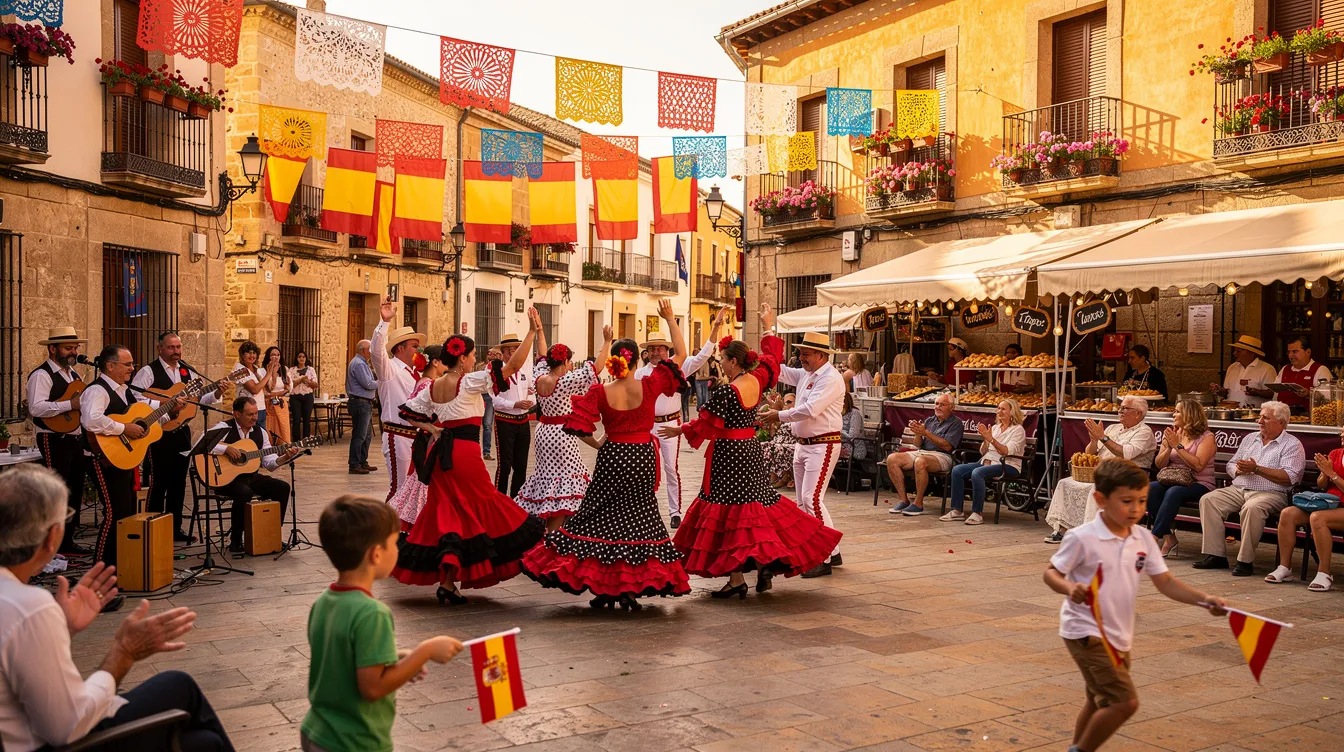
Major festivals showcase the rich culture:
- Semana Santa in Seville (Holy Week processions drawing 1M+ daily)
- Las Fallas in Valencia (March, UNESCO-listed)
- San Fermín in Pamplona
- La Tomatina in Buñol
Spaniards are generally warm, open, and informal. Making expat friends is relatively easy through language exchanges, InterNations meetups (50K+ members), and hobby groups. Mid-sized cities have active expat community networks that help newcomers settle in.
The delicious food alone—from €2-5 tapas to €15-25 paella feasts—makes everyday life in Spain a constant pleasure.
Late Hours, Siesta Culture and Noise
Typical dinner times run 9-10 p.m. or later, especially in summer. Children staying out late is normal. The traditional siesta still affects opening times: many shops close 2-5 p.m., Sundays feel deserted in smaller towns, and August becomes a national holiday month.
Noise is a genuine issue:
- Late-night socializing in plazas
- Street festivals running past midnight
- Building renovations in historic city centers
- Relaxed attitudes toward quiet hours
Some expats find the casual approach to punctuality frustrating compared to more time-strict cultures in many Western countries.
Success in Spain often depends on embracing, rather than fighting, its slower, later rhythm.
Language: Essential for Real Integration
Basic Spanish (Castilian) is crucial for long-term life outside heavy tourist zones. While Spaniards speak English in central tourist areas (around 60% comprehension in Barcelona’s center), official paperwork, healthcare outside private clinics, and local friendships all require at least conversational Spanish.
Several regions are officially bilingual:
| Region | Regional Language | Speakers |
|---|---|---|
| Catalonia/Valencia/Balearic Islands | Catalan | 9 million |
| Basque Country | Basque | 750,000 |
| Galicia | Galician | 2.5 million |
Regional languages appear in public life, schools, and some workplaces. In Barcelona, Catalan proficiency boosts job prospects significantly.
The language barrier is a real con at first, but overcoming it unlocks most of Spain’s cultural pros. Free or cheap courses are available through town halls, universities, and private academies. See language learning as part of the experience, not an obstacle to overcome.
From culture and language, let’s move to Spain’s climate and outdoor lifestyle.
Climate, Nature and Outdoor Lifestyle
Sunshine, Beaches and Mountains Within Easy Reach
Spain’s varied geography offers something for everyone: Mediterranean coasts, Atlantic shores, the Pyrenees and Sierra Nevada mountain ranges, and central plateaus with continental climates. For many foreigners from cloudier countries, this is the primary reason for relocating.
The Mediterranean climate delivers what many dream about:
- Costa del Sol: 320 sunshine days annually, 18-25°C average temperatures
- Canary Islands: Year-round mild weather, popular with digital nomads
- Northern coast: Milder, wetter (150-200 rainy days in Galicia), but dramatically beautiful
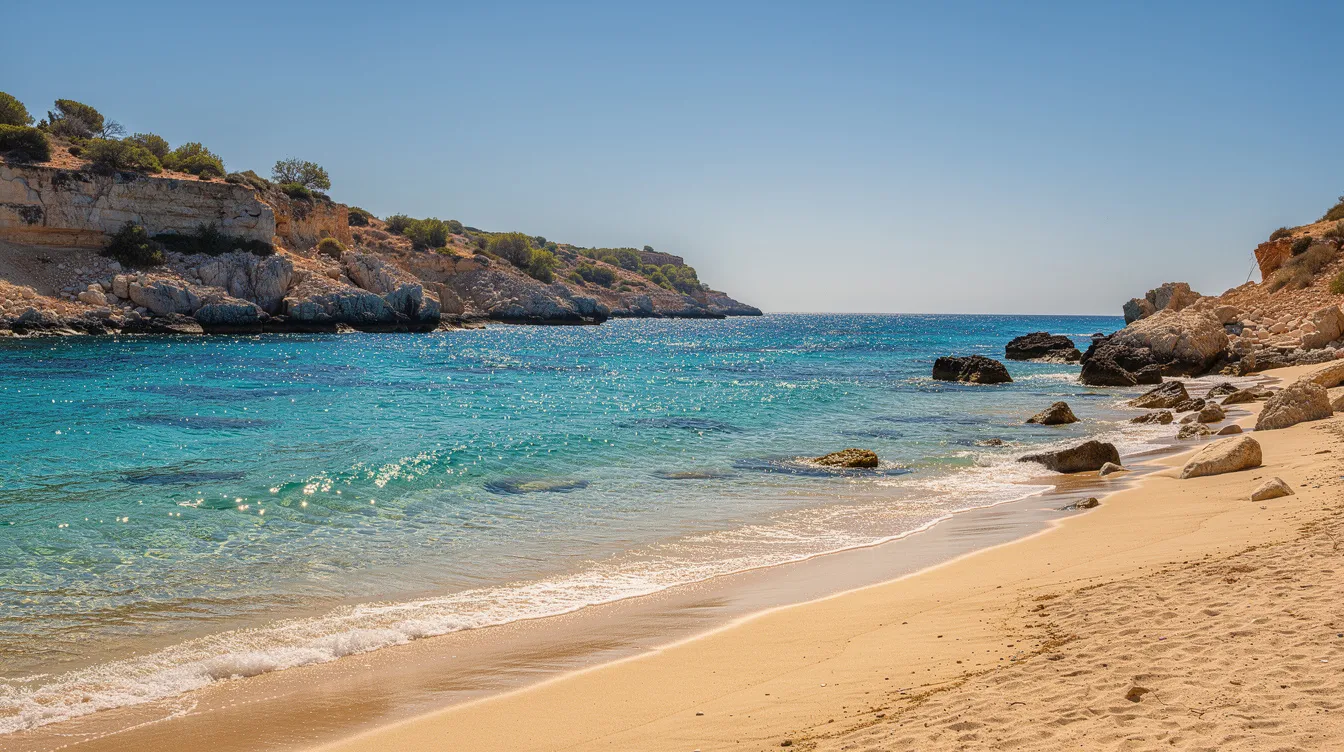
Residents can surf on Atlantic beaches, hike in Picos de Europa (2M visitors yearly), or ski in Sierra Nevada—often within a few hours’ travel. The outdoor lifestyle promotes health through walking, cycling, outdoor sports, and year-round terrace socializing.
For expats from Northern Europe, consistent light and warmth noticeably improve mood and well-being. Southern Spain delivers exactly what the postcards promise.
Extreme Summer Heat and Drought in Some Areas
Climate change is reshaping Spain’s weather patterns. Recent extremes include:
- 2025 heatwaves reaching 47°C in Córdoba
- Seville and inland Andalusia regularly exceeding 40°C in summer
- Madrid experiencing long hot spells uncomfortable in older buildings
- Water restrictions and drought in Catalonia (2024-26)
Heat plus high electricity prices significantly raise summer living costs. Some find southern summers almost unlivable without escaping to cooler areas.
Readers sensitive to heat might prefer:
- Coastal northern regions (A Coruña, Santander, San Sebastián in the Basque Country)
- Higher-altitude inland towns
- The Canary Islands (buffered by ocean breezes)
Next, let’s look at housing, infrastructure, and practicalities of daily life in Spain.
Housing, Infrastructure and Day-to-Day Practicalities
Competitive Rental Markets and Rising Prices
Central areas of Madrid, Barcelona, Palma, Valencia, and Málaga have seen rapid rent increases outpacing local salary growth. Renting challenges include:
- 2-3 months’ deposit required
- Guarantors often needed
- Proof of stable income at 36x monthly rent
- Agency fees adding to upfront costs
Airbnb saturation has reduced long-term housing stock by 20-30% in tourist zones, pushing renters to outer neighborhoods. The Spanish real estate market in popular areas favors sellers and landlords.
However, in smaller inland towns and lesser-known regions, rents remain very affordable—illustrating the significant urban-rural divide. Plan extended scouting trips, use local contacts, and be patient when searching in competitive markets.
Solid Public Transport and Easy European Travel
Spain’s AVE high-speed train network is among Europe’s best:
- Madrid-Barcelona: 2.5 hours at 310km/h
- Madrid metro: 293km network, €1.50-2 per trip
- Monthly passes and discounts for youth and seniors
Extensive low-cost flights from Madrid, Barcelona, and coastal airports connect to other cities across Europe and the Balearic Islands. You can easily explore Europe from Spain as a base.
Rural areas require car ownership (budget €200-400 monthly for fuel at €1.60/L and maintenance), but for most expats in or near cities, getting around is easy and cheap.
Bureaucracy That Can Test Your Patience
Spanish bureaucracy is legendary among expats. Common frustrations include:
- Empadronamiento (address registration)
- NIE/TIE card applications and renewals
- Healthcare system enrollment
- Opening a bank account
- Converting a foreign driving license
Processes differ by region and even by office, leading to inconsistent information. Documentation is only in Spanish (plus regional languages), with formal legal vocabulary difficult even for intermediate speakers.
Expect delays, keep copies of everything, and consider hiring a gestor. Almost every expat mentions bureaucracy as a major con—but people usually adapt over time.
Let’s summarize whether Spain is the right fit for you.
Is Living in Spain Worth It for You?
Spain offers a high quality of life characterized by a relaxed pace and low costs, balanced by significant bureaucratic and economic hurdles. The key trade-offs are clear: high quality of life, culture, climate, and healthcare versus lower salaries, rising housing costs in hotspots, and heavy bureaucracy.
Evaluate your personal situation honestly:
- Retirees with fixed income: Spain works beautifully
- Remote workers/digital nomads: Excellent fit if you handle paperwork patience
- Families: Great lifestyle but consider school language transitions
- Young professionals seeking career growth: More challenging unless in tech or specific sectors
Spain is usually ideal for those prioritizing lifestyle, community, and climate over maximum earnings. Consider your language learning willingness, tolerance for heat and noise, and comfort with slower administrative processes.
For many who understand the pros and cons of Spain in advance, it becomes a deeply satisfying long-term home. The foreign country that first attracts you with vacation charm can genuinely deliver on its promises—if you arrive with realistic expectations.
FAQ about the Pros and Cons of Spain
Is Spain a good place to retire on a moderate budget?
Spain is one of Europe’s most popular retirement destinations because of its relatively low cost of living, excellent healthcare, and pleasant climate. Retirees with pensions or savings in euros, dollars, or pounds often find they can afford comfortable lives in mid-sized cities and smaller towns for €2,000-3,000 monthly.
Before moving, research the non lucrative visa requirements (€2,400 monthly passive income minimum), tax implications on foreign pensions (you’ll pay taxes on worldwide income after becoming resident), and how to access Spain’s public healthcare system. Many retirees also budget €100-150 monthly for private insurance to avoid public waiting lists. Also check expats forums and reddit opinions about it.
What are the safest areas to live in Spain?
Spain is generally safe nationwide, with a homicide rate of just 0.6 per 100,000—among the lowest in developed countries. Violent crime is rare; issues are more about petty theft in tourist centers like Barcelona’s La Rambla or Madrid’s crowded metro.
Many medium-sized cities and suburbs—parts of Valencia, Zaragoza, Oviedo, and numerous coastal towns—are considered very safe for families and older residents. When choosing where to live, look up local crime statistics, visit neighborhoods at different times of day, and talk to current residents about their experiences.
Can you live in Spain without speaking Spanish?
In major city centers and tourist zones, it’s possible to handle basic tasks in English, especially in hospitality and private clinics. However, assuming Spain speak English everywhere is a mistake that limits your experience significantly.
Long-term, not speaking Spanish (or a regional language) will restrict job opportunities, social integration, and your ability to navigate bureaucracy and public healthcare. Even basic B1 Spanish correlates with 70% better integration outcomes according to expat surveys. Start learning before arrival and continue with formal classes after moving.
How does education work for expat children in Spain?
Spain offers several schooling options:
Public schools: Free, teach in Spanish plus regional languages, help children integrate quickly
Concertado (semi-private): Partially subsidized, often religious, mixed language
International schools: €8,000-20,000 annually, British/American curricula, smoother for families planning future moves.
Public schools may challenge children initially with language immersion, but most adapt within 6-12 months. For a student visa accompanying a parent, documentation requirements are straightforward once you have your residence permit.
How easy is it to make friends and build a social life in Spain?
Spanish people are generally sociable and open, spending time in groups in bars, parks, and plazas. This naturally creates opportunities to meet people if you participate. The expat community is well-established, with InterNations chapters, language exchanges, sports clubs, coworking spaces, and school parent networks all providing entry points.
The key to moving beyond expat bubbles is learning Spanish and participating in local culture—joining neighborhood associations, attending local festivals, supporting local businesses. Building deeper connections takes time, but Spain’s communal culture rewards those who engage genuinely.