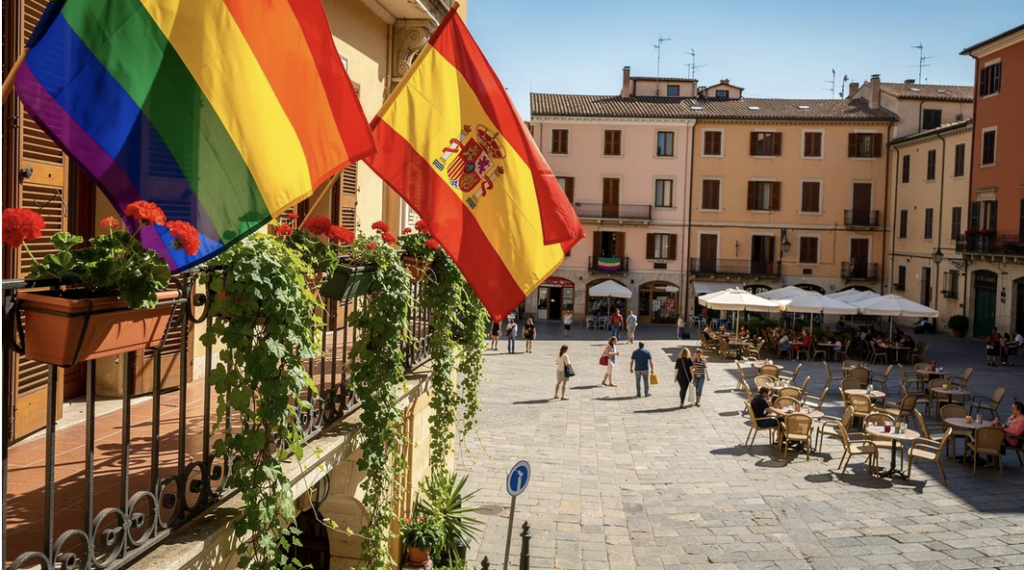

LGBTIQ Community in Spain: discover all about the best-ranked nation in Europe for LGBTIQ rights. For anyone in the lgbt community considering a move to the Iberian peninsula, this guide covers the history, the law, the everyday reality, and the practical immigration routes that make Spain one of the most welcoming places in the world.
Key Takeaways
- Since Franco’s death in 1975, Spain has moved from persecution – including special prisons and forced rehabilitación social – to legalising same sex marriage in 2005 and passing one of Europe’s strongest trans rights laws in 2023.
- Spain ranks number one in Europe for LGBTQ+ rights according to ILGA Europe 2026, scoring roughly 89% across 76 criteria.
- Daily life for the lgbtiq community is generally safe and visible in big cities like Madrid, Barcelona, Valencia, and Sevilla, though discrimination based on sexual orientation or gender identity has not fully disappeared.
- Same sex couples, trans people, and non binary people have access to the same residency routes as any other applicant – digital nomad visa, non lucrative visa, student visa, family EU member, family Spanish member, and more.
- CarWay Migrate provides online immigration lawyers in Spain, especially Madrid-based, who understand LGBTIQ realities and can help with immigration strategy, tax residence, and legal documentation.
Recognition: A Brief History of LGBTIQ Rights in Spain
The first time spanish people publicly demanded freedom for gay and bisexual citizens was in 1977, when the first gay demonstration in Spain took place on Las Ramblas in Barcelona. Homosexuality was decriminalized in Spain in 1979, and in 2001, Spain began to expunge criminal records of LGBTQ+ individuals convicted under Franco-era laws.
In recent decades, milestones came quickly. Regional partnership laws emerged in the 1990s. Then, in 2005, Law 13/2005 legalised same sex relationships through marriage equality and granted full joint adoption rights to sex couples. The Constitutional Court upheld this new law in 2012, settling any remaining legal debate.
The most significant recent milestone is the 2023 “Trans Law” (Ley 4/2023), which introduced self determination of legal gender from age 16 without a medical diagnosis, protected intersex minors against non-consensual surgeries, and banned conversion therapy. As of 2026, Spain has fully depathologized trans identities in healthcare – meaning trans people can change their legal gender without surgery since 2023, and no psychiatric label is required.
Current Legal Landscape: Rights and Protections for the LGBTIQ Community
Spain is consistently ranked among the top countries in Europe for comprehensive LGBTIQ protections. In the ILGA Europe Rainbow Map, Spain ranks first for LGBTQ+ rights – a position it has held since overtaking Malta in the 2023 scoring cycle. Spain’s legal framework for LGBTI inclusion exceeds the OECD average in many protection areas, from employment to education.
Family and Relationship Recognition
Same-sex marriage was legalized in Spain in 2005. Adoption by same-sex couples has been legal since 2005 as well, covering both joint and stepchild adoption. Since 2019, public health policy ensures that two women in a same sex relationship – or single women – can access assisted reproductive technologies on equal terms. A same sex partner is recognised identically to any spouse in matters of inheritance, tax, and social security.
Discrimination and Hate Crimes
The Zerolo Law (2022) prohibits discrimination based on sexual orientation, gender identity, and sex characteristics across employment, housing, services, and education. Spain leads in LGBTIQ+ workers’ rights, requiring anti-harassment protocols in companies. Hate speech targeting gay, bisexual, or trans people carries criminal penalties under Article 510 of the Criminal Code. Violence against LGBTQ+ individuals decreased by 4% in 2018, though underreporting remains a concern. LGBTQ+ rights are legally protected across Spain.
Trans and Intersex Protections
Under the 2023 law, any person aged 16 or older can change their legal gender through self determination – no surgery, no hormones, no medical diagnosis. For ages 12–15, parental consent and a maturity assessment are required. Non-consensual genital surgeries on intersex minors are now prohibited. The government is also moving toward explicit criminal penalties for conversion therapy.
Remaining Gaps
Non binary people still cannot register a third gender category; Spanish law only recognises male and female. Surrogacy remains banned inside the country. Spain’s autonomous communities have varying policies impacting service access and protections, meaning enforcement and healthcare availability differ across other regions – from La Rioja to Andalucía. Social polarization presents challenges for LGBTQ+ rights in Spain amid rising conservative narratives, but the overall legal framework remains strong.
Everyday Life for the LGBTIQ Community in Spain
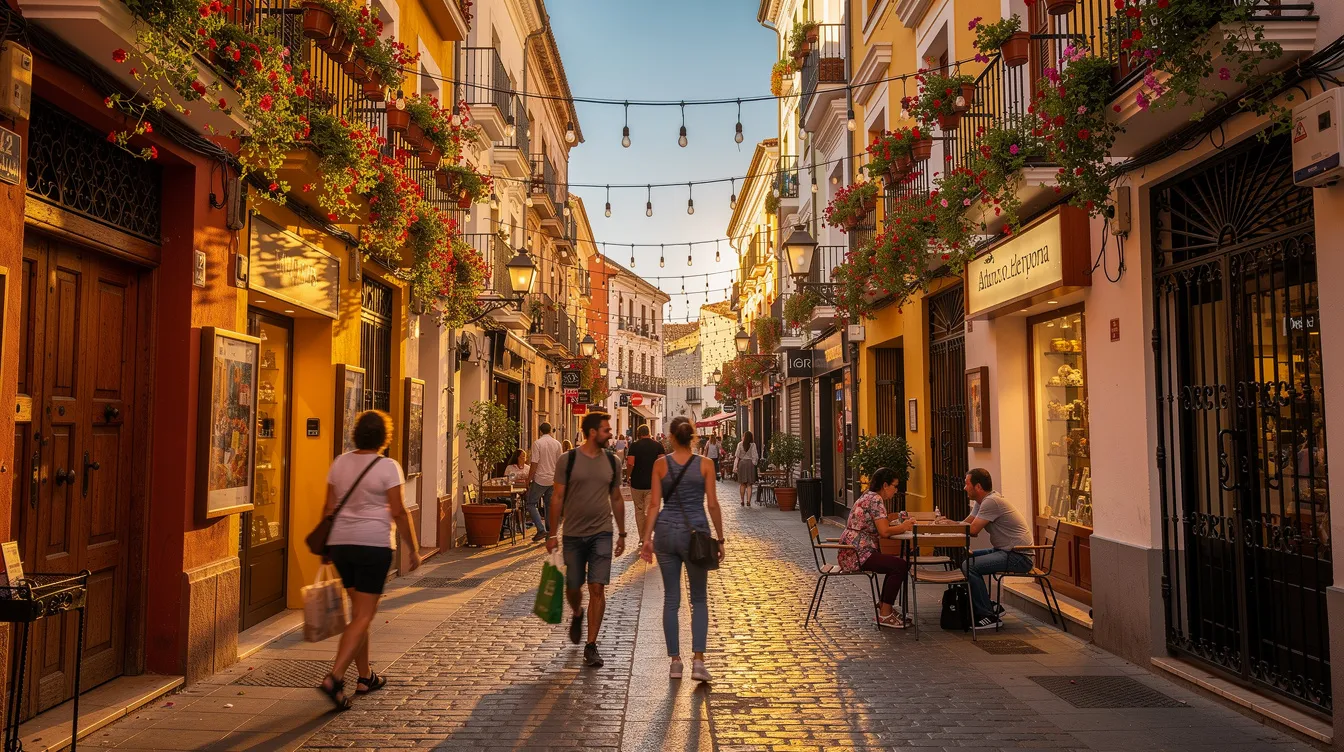
Public acceptance of LGBTQ+ rights in Spain is generally high compared to many countries. Around 88% of Spaniards believe homosexuality should be accepted, and approximately 12% of the Spanish population identifies as LGBTQ+. Spaniards tend to be relaxed about same sex relationships in public, and an openly gay man or a same sex couple holding hands in a city centre rarely draws a second glance.
LGBTIQ Community in Spain: Urban Centres
In Madrid, the Chueca neighbourhood is the heart of the lgtb community – packed with gay bars, community centres, bookshops, and cultural spaces. Barcelona’s Eixample (nicknamed “Gaixample”) and Valencia’s Ruzafa offer similar hubs. Sevilla, Bilbao, and other big cities also have active queer scenes. Nightlife, delicious food, cultural festivals, and a societal acceptance that many other countries simply cannot match make these cities magnets for LGBTIQ expatriates. Two men or two women walking together draw no particular attention.
LGBTIQ Community in Spain: Smaller Cities and Rural Areas
Life in smaller cities and town environments is generally peaceful, but the lgtb community is less visible. Young people in rural settings may face more subtle discrimination, and trans people can encounter longer healthcare waiting lists or administrative friction when changing documents. Anti-LGBTIQ+ violence and discrimination still occur in Spain despite legal protections, particularly in areas with lower awareness.
Support Services
Community organizations in Spain provide psychological support and legal advice. The 028 Arcoíris Service provides 24/7 support for LGBTI-phobia and hate crimes. Spain maintains a national map of over 1,200 LGBTI+ resources for support services, and groups like Lambda Valencia and Catalan NGO networks offer safe spaces regardless of immigration status. The LGBTQ+ community in Spain continues to advocate for equal rights and protections, and migrants – even from a third country – can typically access these services.
For trans people specifically, the legal rights are strong on paper, but practical barriers remain: long waiting lists for gender-affirming healthcare, and documentation changes for foreigners with non-Spanish IDs can involve bureaucratic delays. Having legal support makes a real difference.
Pride Events, Culture, and Community Life
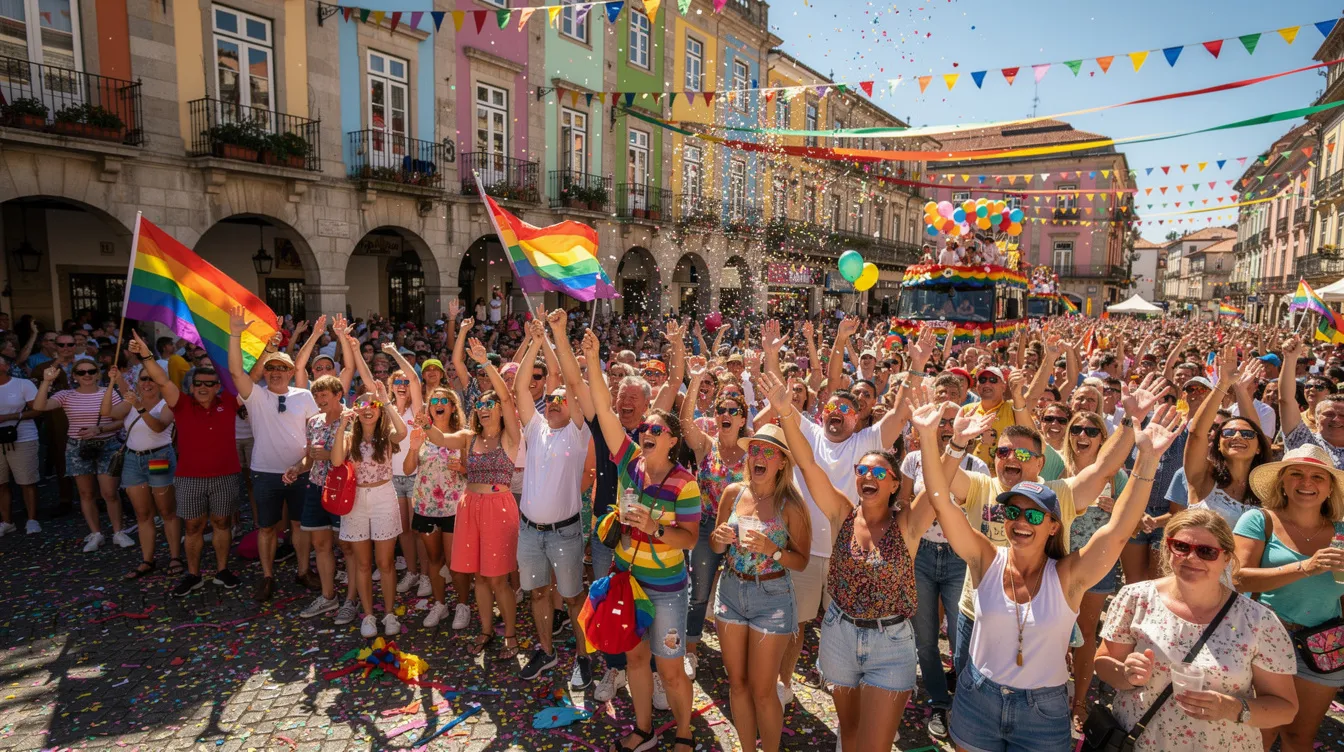
Pride events in Spain have grown from risky protests in the late 1970s to some of the world’s largest celebrations, while keeping a strong political message about human rights and equality.
Madrid Pride began in 1978 and occurs every July. It now attracts over 1.5 million participants annually, making it one of the largest pride events in the world. The week includes a political demonstration, concerts across the city, and neighbourhood celebrations centred on Chueca. Barcelona Pride takes place in June each year and serves as a Mediterranean LGBTIQ tourism magnet alongside nearby Sitges. Pride events are held in many Spanish cities, including Seville and Bilbao, combining remembrance of Franco’s era with demands around current issues like hate speech legislation and trans healthcare access.
Beyond pride, queer culture thrives in Spain through many things: film festivals like LesGaiCineMad in Madrid and FIRE!! in Barcelona, a rich literary tradition, and the global influence of artists like Pedro Almodóvar. The history of spanish society’s journey from repression to freedom has shaped a community that celebrates visibility at a certain level few places in the world can match.
Moving to Spain as an LGBTIQ Foreigner: Visas, Residence, and Legal Strategy
Spanish immigration law does not discriminate based on sexual orientation or gender identity. Every visa and residency route is equally open to LGBTIQ applicants. Spain is one of the safest countries for LGBTQ+ individuals, and the government actively enforces equality in immigration processes.
Key Visa Options
- Digital nomad visa Spain: For remote workers employed by foreign companies. See the Spain Digital Nomad Visa 2026: Complete Guide for eligibility and income requirements.
- Non lucrative visa Spain: For those with passive income who want to live without working in Spain. Compare options in the Spain Non-Lucrative Visa vs Digital Nomad Visa 2026 Guide.
- Student visa Spain: For language or degree programmes. Plan your Student Visa Renewal Spain 2026 early.
- Family EU member / Family Spanish member: Same sex spouses and registered partners qualify for family reunification. Foreign same sex marriages are generally recognised, provided the marriage was valid where celebrated.
- Citizenship Spain: Available after 10 years of legal residence (2 years for citizens of Ibero-American countries and others).
Marriage Recognition and Documentation
Spain recognises foreign same sex marriages for immigration and family reunification. However, if you come from a country that does not recognise your own family structure, you may face challenges with apostilles, translations, and proof of a genuine relationship. The Spain Visa Document Checklist explains what documentation you need.
Tax Residence and the Beckham Law
LGBTIQ professionals relocating with remote jobs or corporate transfers should plan tax residence in advance. The Beckham Law offers a favourable flat tax rate for qualifying expatriates – particularly relevant for digital nomad visa holders under Spain’s Startup Act.
FAQ
Below are practical questions about LGBTIQ life and immigration in Spain not fully covered above.
Is Spain safe for LGBTIQ people, including trans people, on a day-to-day basis?
Spain is generally very safe and socially accepting. In big cities, the community is highly visible, and legal rights are robust. That said, trans people and visibly queer people can still face isolated street harassment or hate crimes. Normal urban safety precautions apply – stick to well-lit areas at night and report incidents to police or the 028 Arcoíris hotline.
Will my foreign same-sex marriage be recognised for residence and family reunification in Spain?
Yes. Spain recognises same sex marriages performed abroad as long as the marriage was valid in the country where it was celebrated. We can help with proving validity, obtaining apostilles, and handling complex cases where the couple’s home country does not recognise their union.
Can I change my legal gender in Spain if I am not a Spanish citizen?
The 2023 Trans Law applies primarily to people registered in Spain’s civil registry – Spanish citizens and some long-term residents. Foreigners typically must first regularise their residence status. A recent Madrid court ruling confirmed that trans migrants with regular residence must have their identity recognised. We can advise on realistic timelines and documentation for trans people planning a long-term move.
Are there specific visas for LGBTIQ people fleeing persecution?
Spain does not have an “LGBTIQ-only visa,” but sexual orientation and gender identity are recognised grounds for international protection (asylum or subsidiary protection). Applicants need to demonstrate a well-founded fear of persecution in their home country. Legal assistance is strongly recommended – check New Rules for Residency in Spain (2026 Update) for the latest framework.
Do I need an immigration lawyer to move to Spain if I am part of the LGBTIQ community?
It is not legally mandatory, but working with immigration lawyers helps avoid common mistakes, anticipate consulate questions for same sex couples and trans applicants, coordinate tax residence and manage the entire process through remote legal services. A smooth start in a new life beats months of bureaucratic frustration.